The Power of Visual Science Communication
How artists bring science to life through storytelling, design, and imagery.
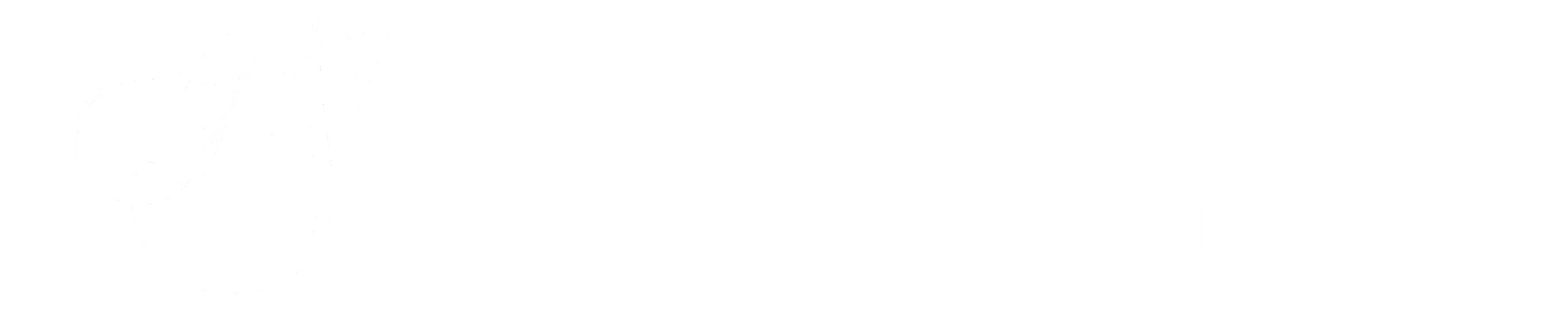
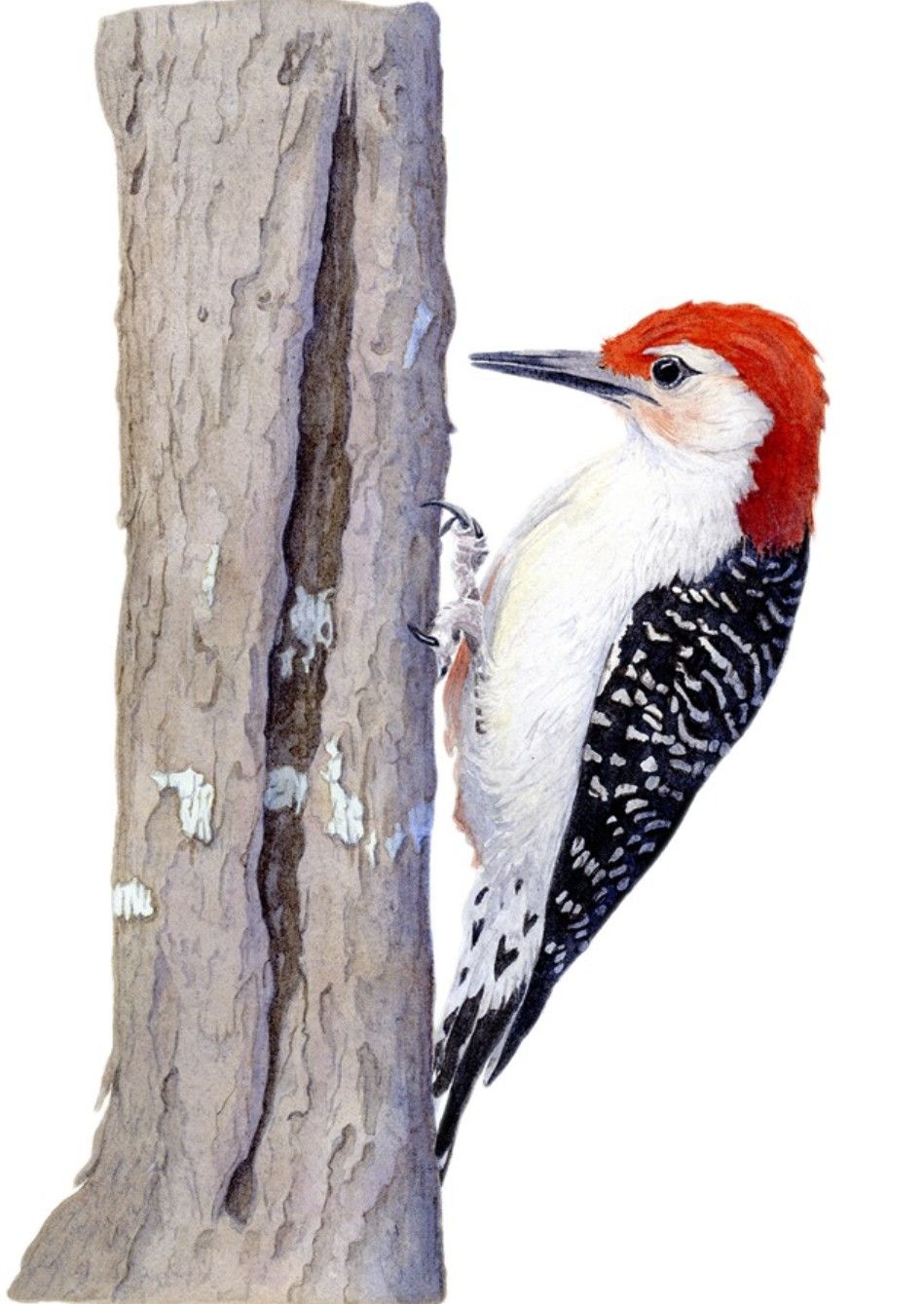
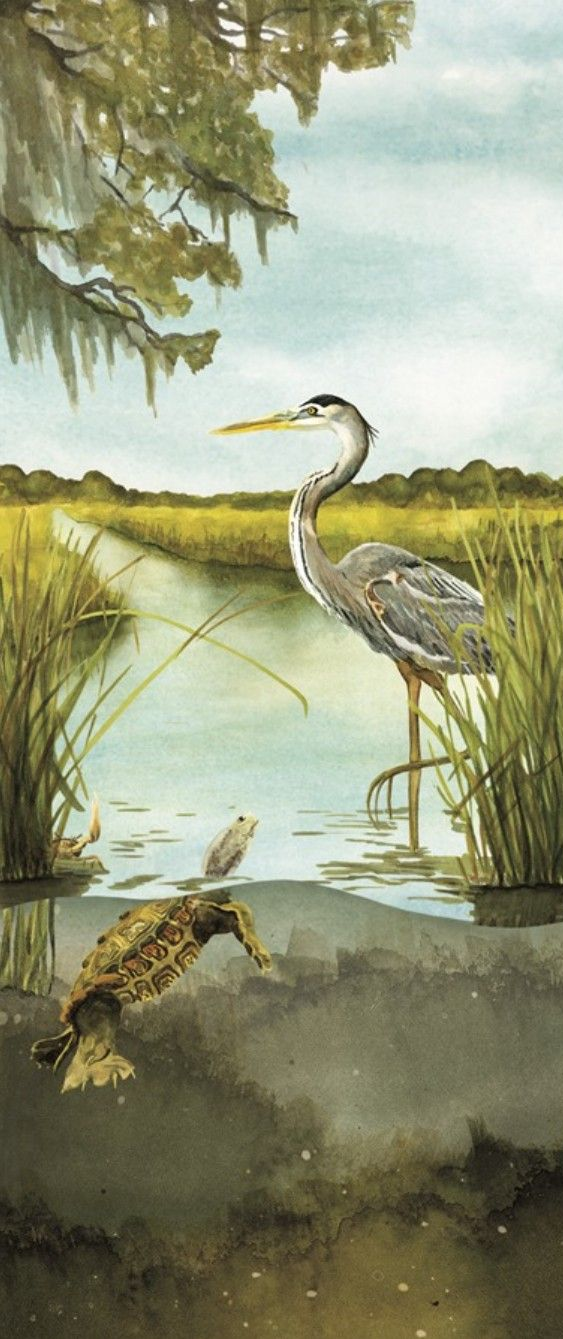
image credit: Carol Brest Van Kempen
What is Visual Science Communication?
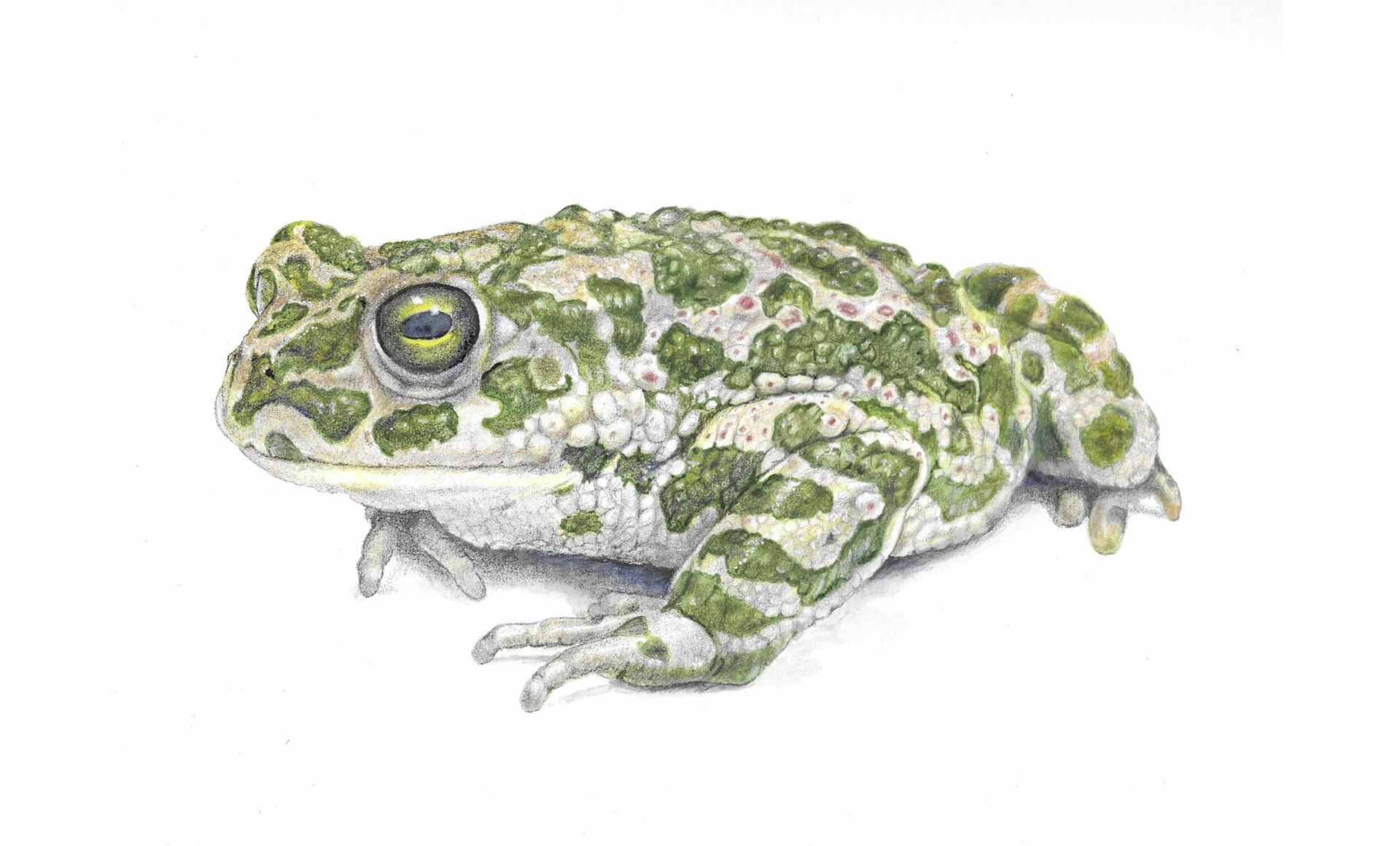
Visual Science Communication (Visual SciComm) bridges art and science to share knowledge in engaging, accurate, and accessible ways. It goes beyond traditional illustration, encompassing animation, sculpture, murals, digital and traditional art, and more.
At its core, Visual SciComm is about making science visible and understandable for all.


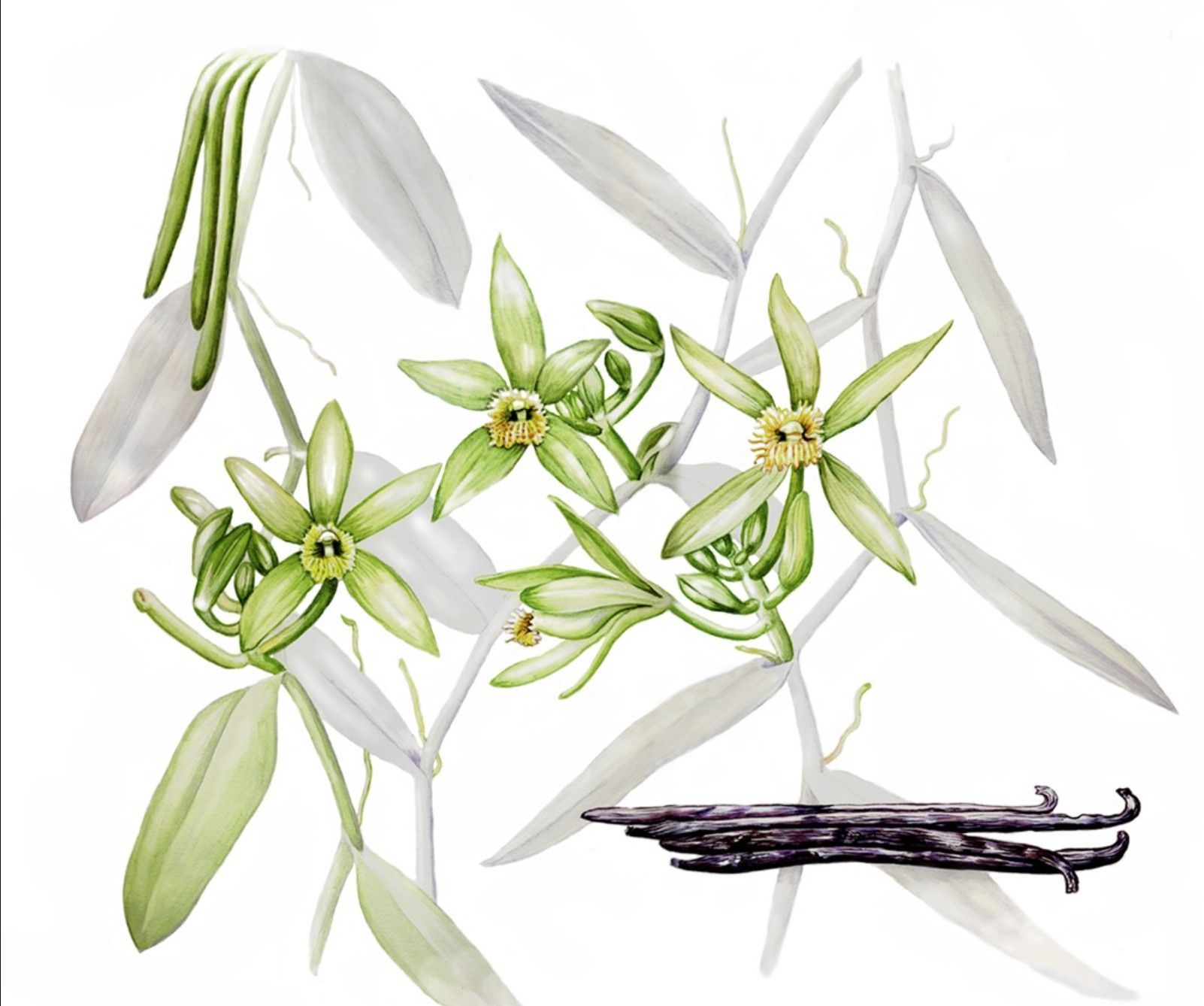
image credits: Lore Ruttan (member since 2007), Kathleen Garness (member since 2025), Emma Scheltema
Who is it for?
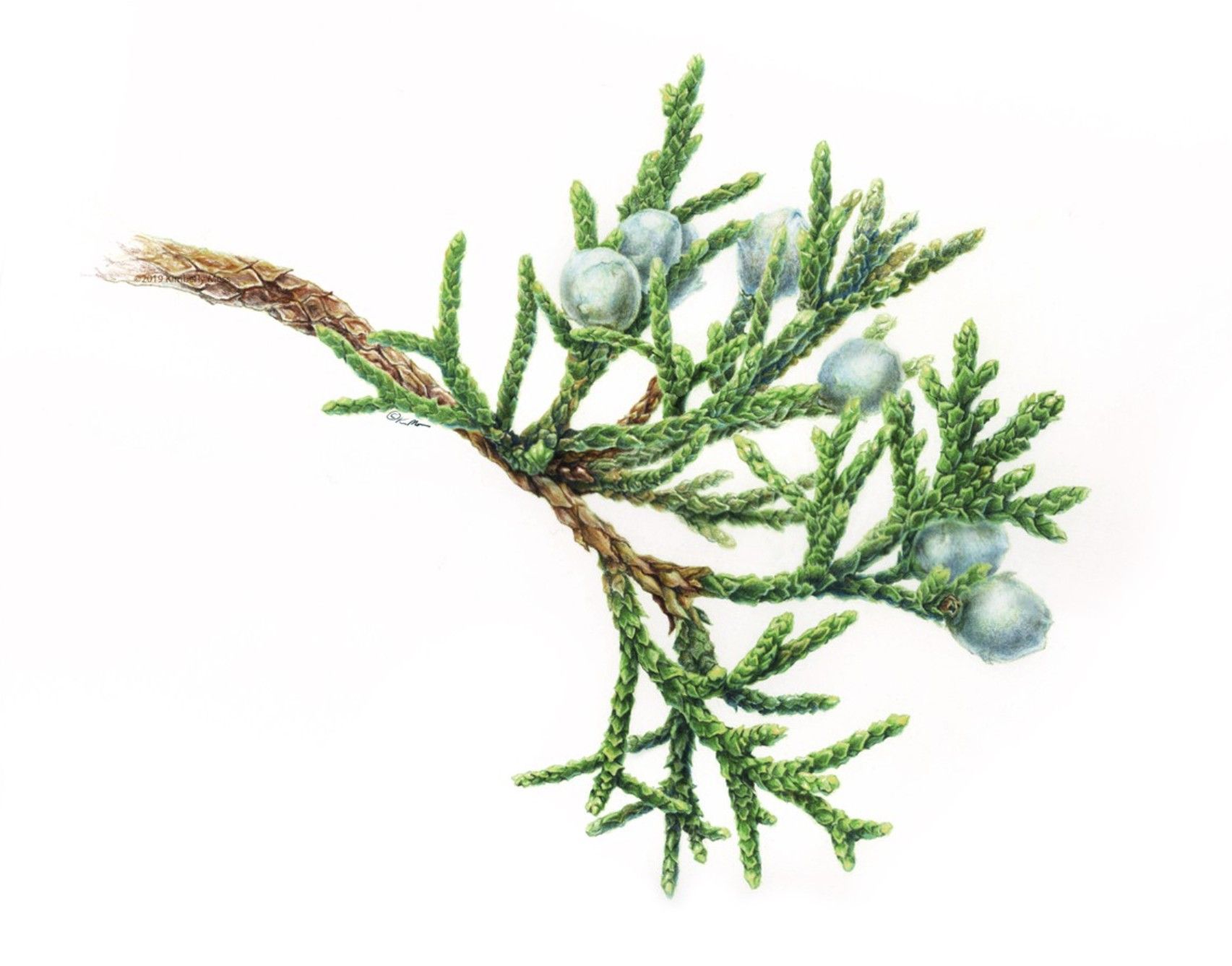
Visual SciComm serves both broad and highly specialized audiences. From museum exhibits to research publications, effective visuals deliver the right message to the right audience.
Whether the goal is to inspire curiosity in the public, teach students in the classroom, or provide clarity for experts, visual science communication adapts to meet the needs of any audience.


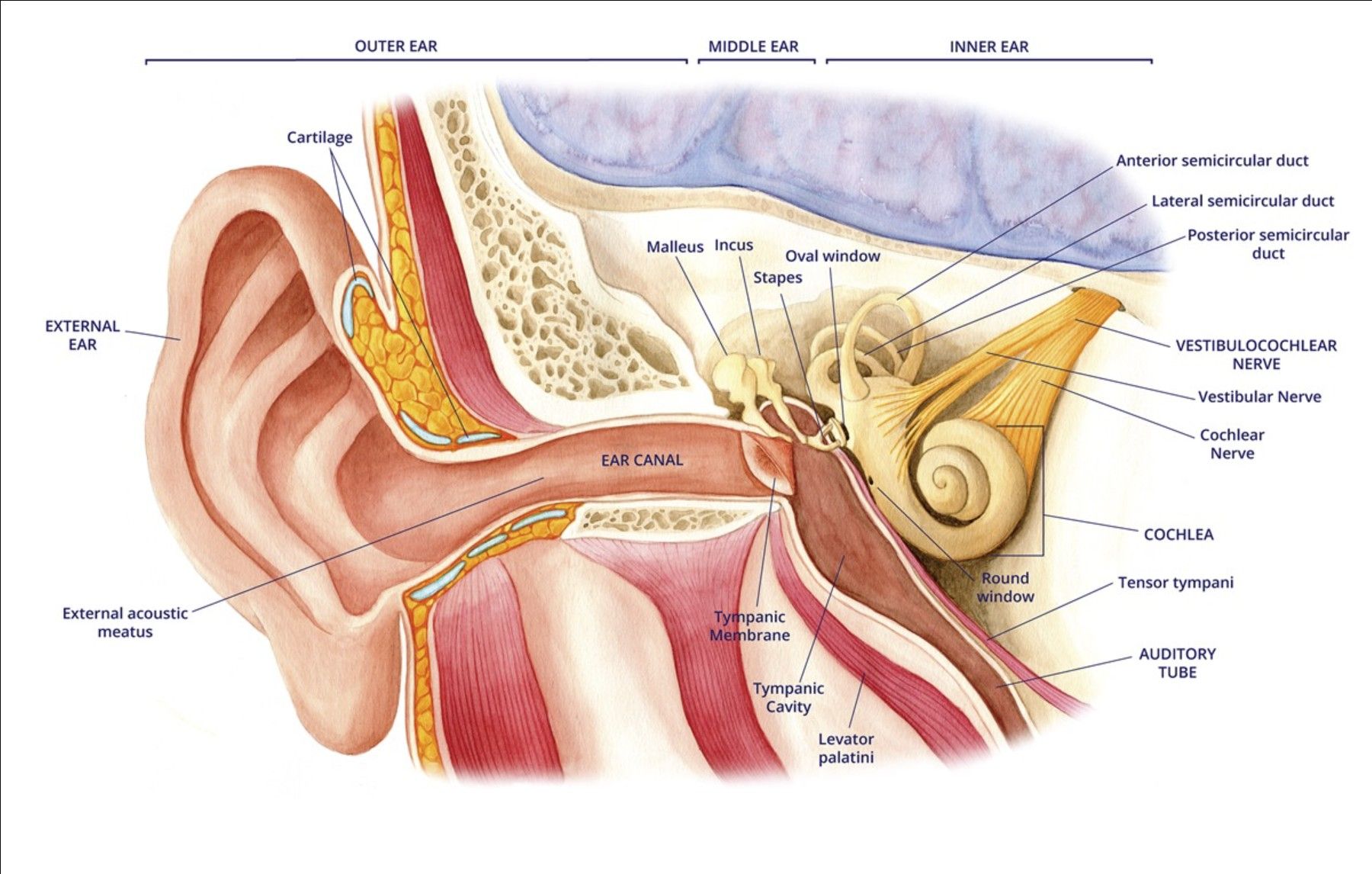
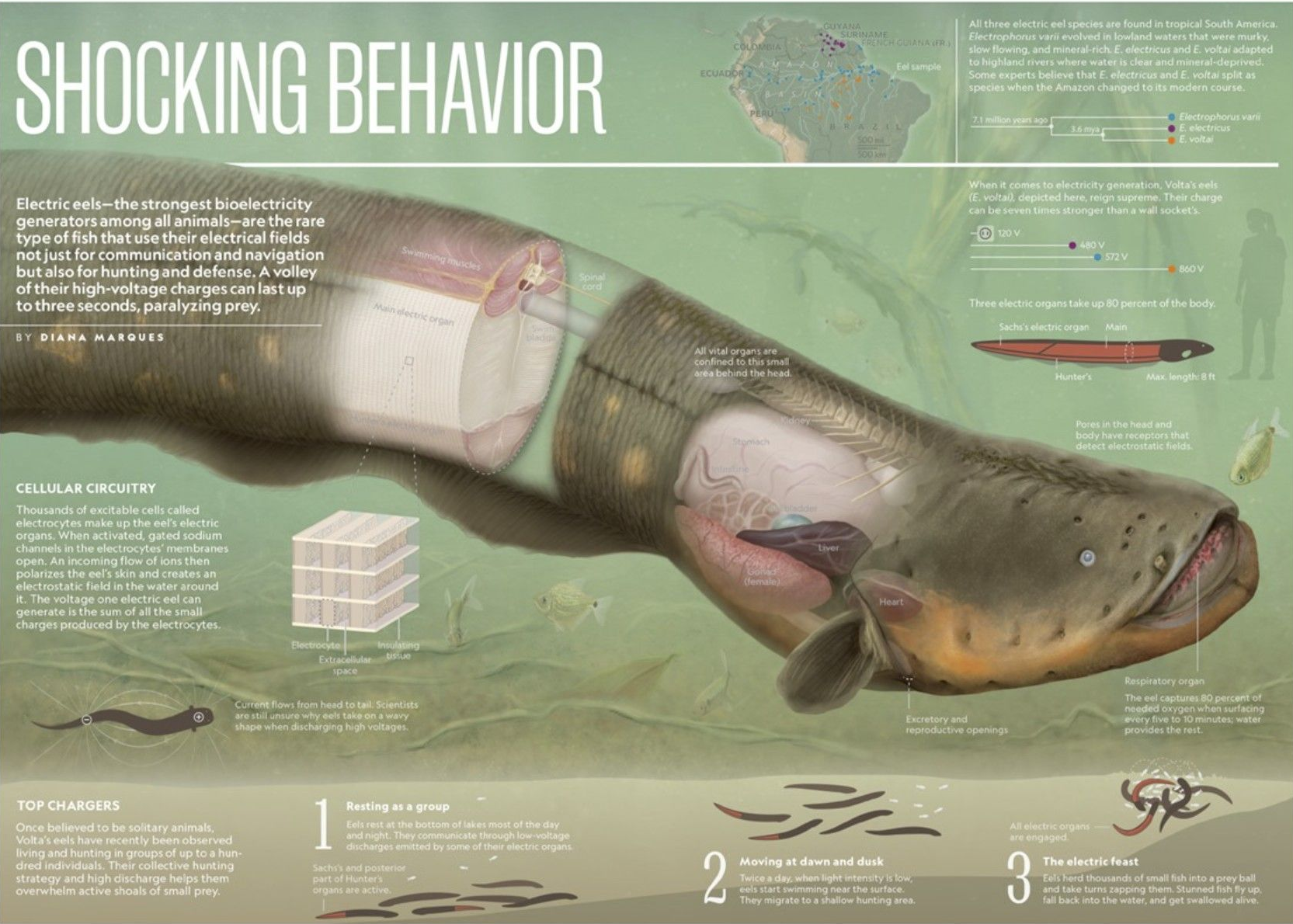
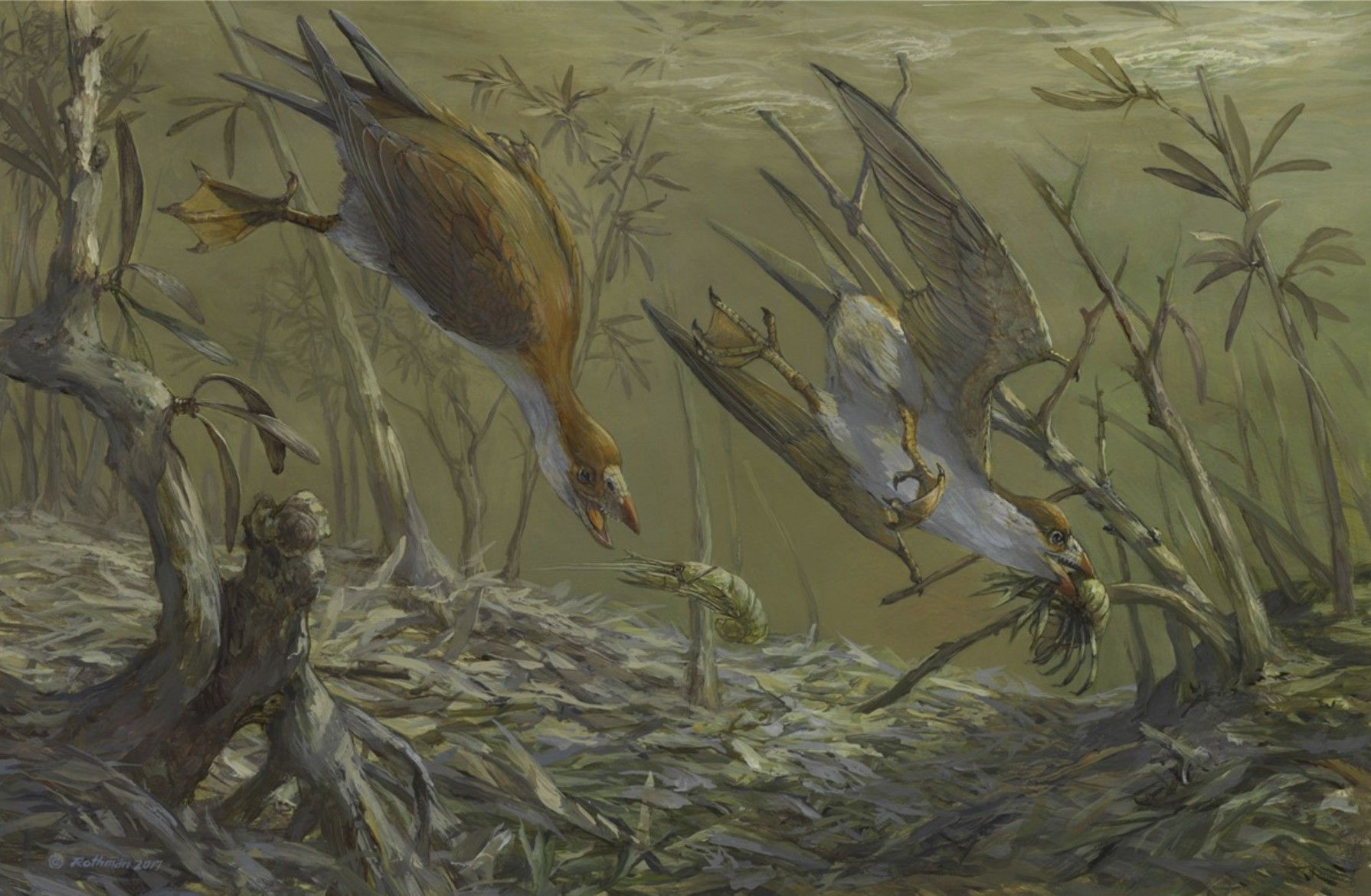
image credits: Cordelia Norris (member since 2024), Diana Marques (member since 2000), Michael Rothman (member since 1987)
Skills of a Visual Science Communicator
Visual science communicators combine scientific knowledge with artistic storytelling to create work that resonates across audiences. Some of the important skills include:
Observation
The ability to see fine details, notice patterns, and study subjects with accuracy and care.
Storytelling
Transforming complex concepts into clear, engaging narratives that connect with audiences.
Communication
Working with scientists, educators, and the public to ensure visuals meet audience needs.
Scientific understanding
Grasping scientific ideas quickly and accurately to translate them into visuals that inform.
Artistic technique
Mastery of traditional and digital art methods, from ink and watercolor to illustration and design.
Technical & Digital Tools
Proficiency with modern tools such as digital drawing tablets, design software, animation, and 3D modeling.
Some other important skills include:
Audience Awareness – knowing how to tailor visuals for different groups.
Precision & Accuracy – the rigor needed for scientific clarity.
Collaboration – working closely with scientists, writers, and designers.
Why Work with a Visual Science Communicator?

"A picture is worth a thousand words."
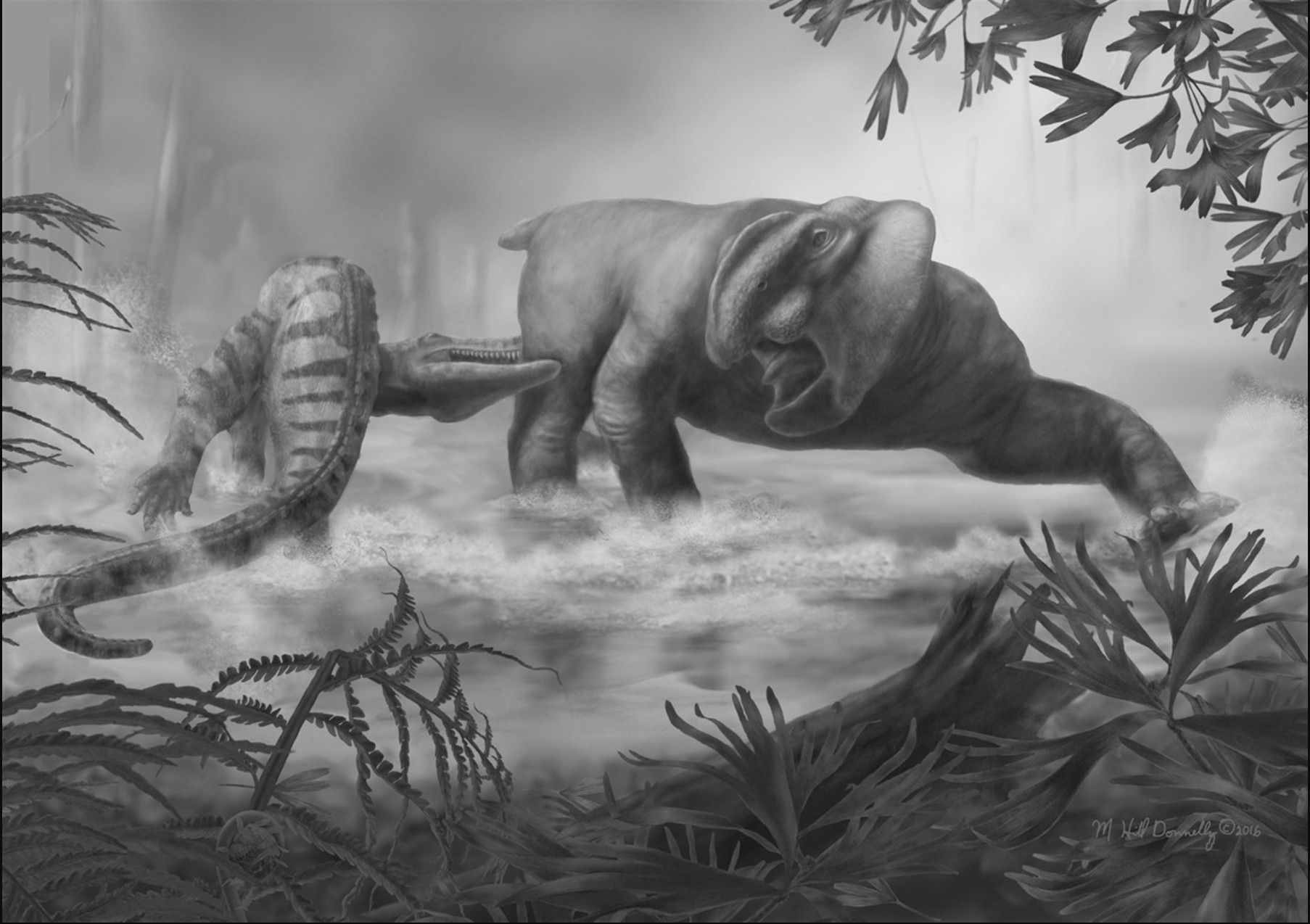
image credit: Marlene Hill Donnelly (member since 1976)
Scientists are often too close to their work to see how best to share it. A visual science communicator will clarify your message, tailor it to your audience, and create compelling visuals that amplify your impact.
A skilled visual science communicator will ask you who your audience is, what your goals are with a particular visual, and will bring the artistic storytelling skills to make your work shine.
Illustration vs. Photography
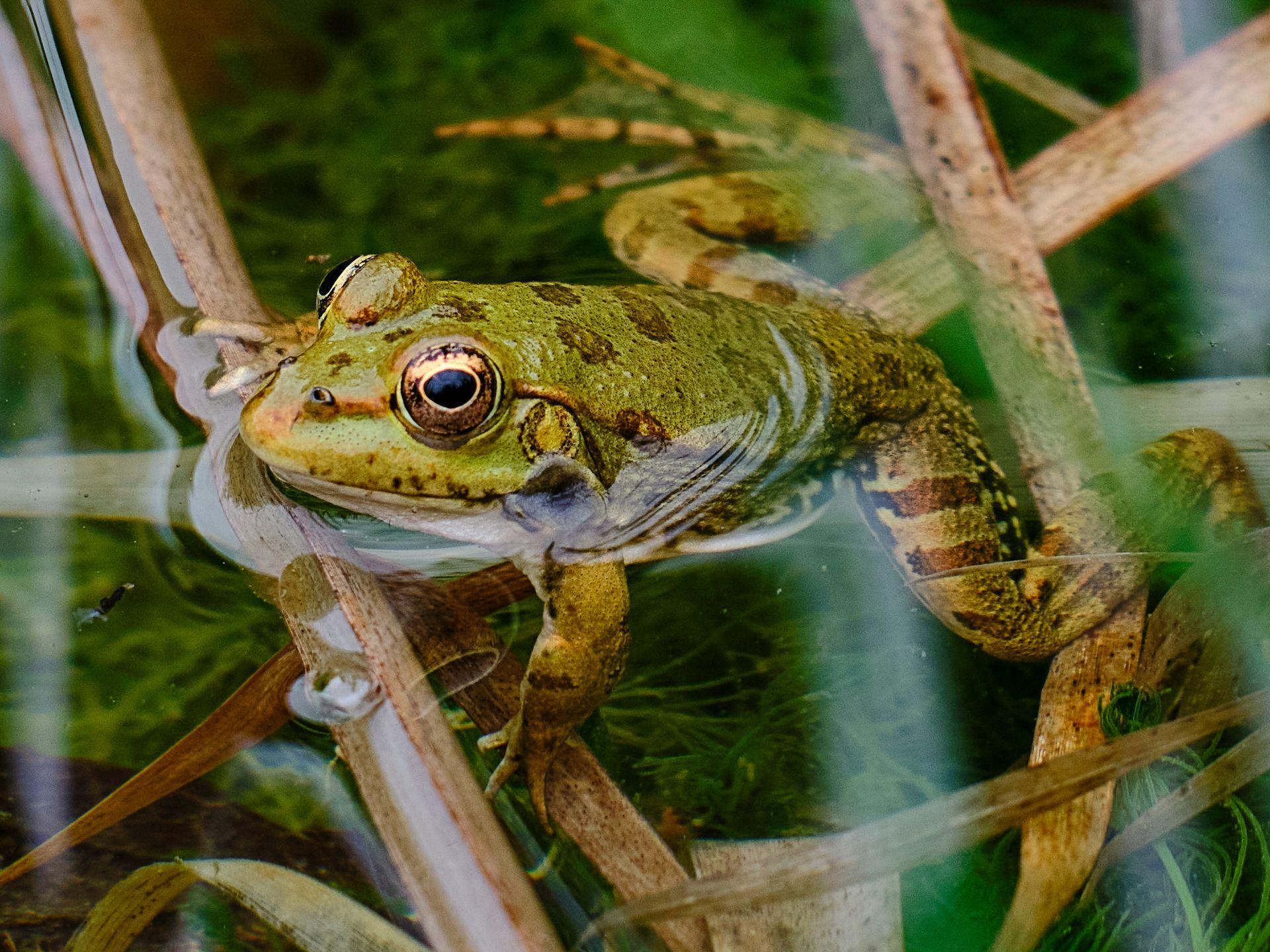
Why use illustration when photography exists?
While photography and imaging technology are powerful tools, they often capture everything in a scene, including distracting or irrelevant details. A visual science communicator distills complexity into clear, focused imagery, highlighting only what matters for the story or concept.
Photography is excellent for realism, documentation, and emotional impact. But illustrations can go beyond:
Reveal hidden structures (like anatomy or cross-sections).
Simplify overwhelming detail into clarity.
Show processes over time (life cycles, sequences, or reconstructions).
Imagine the unseen, from extinct species to distant galaxies.
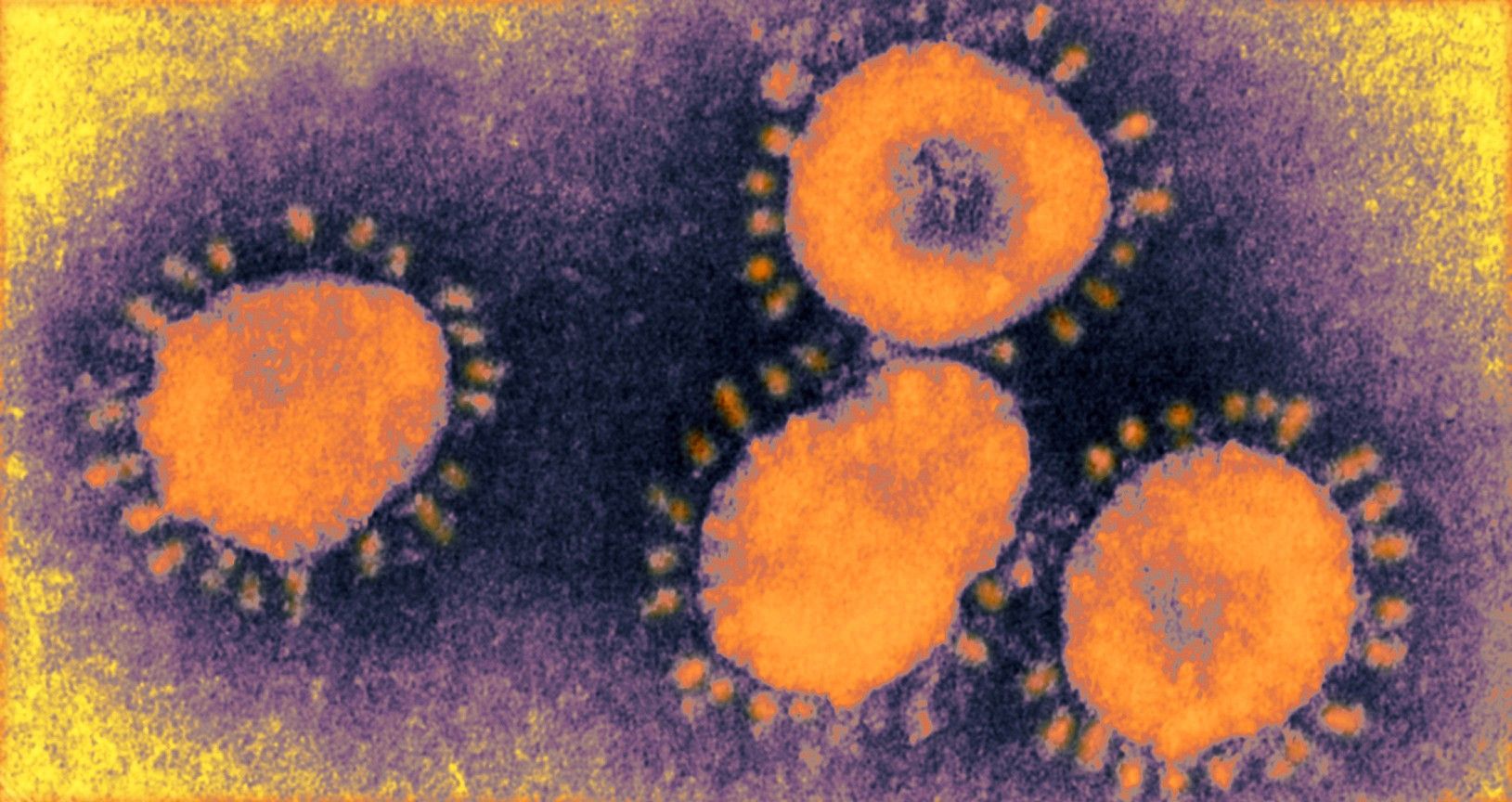
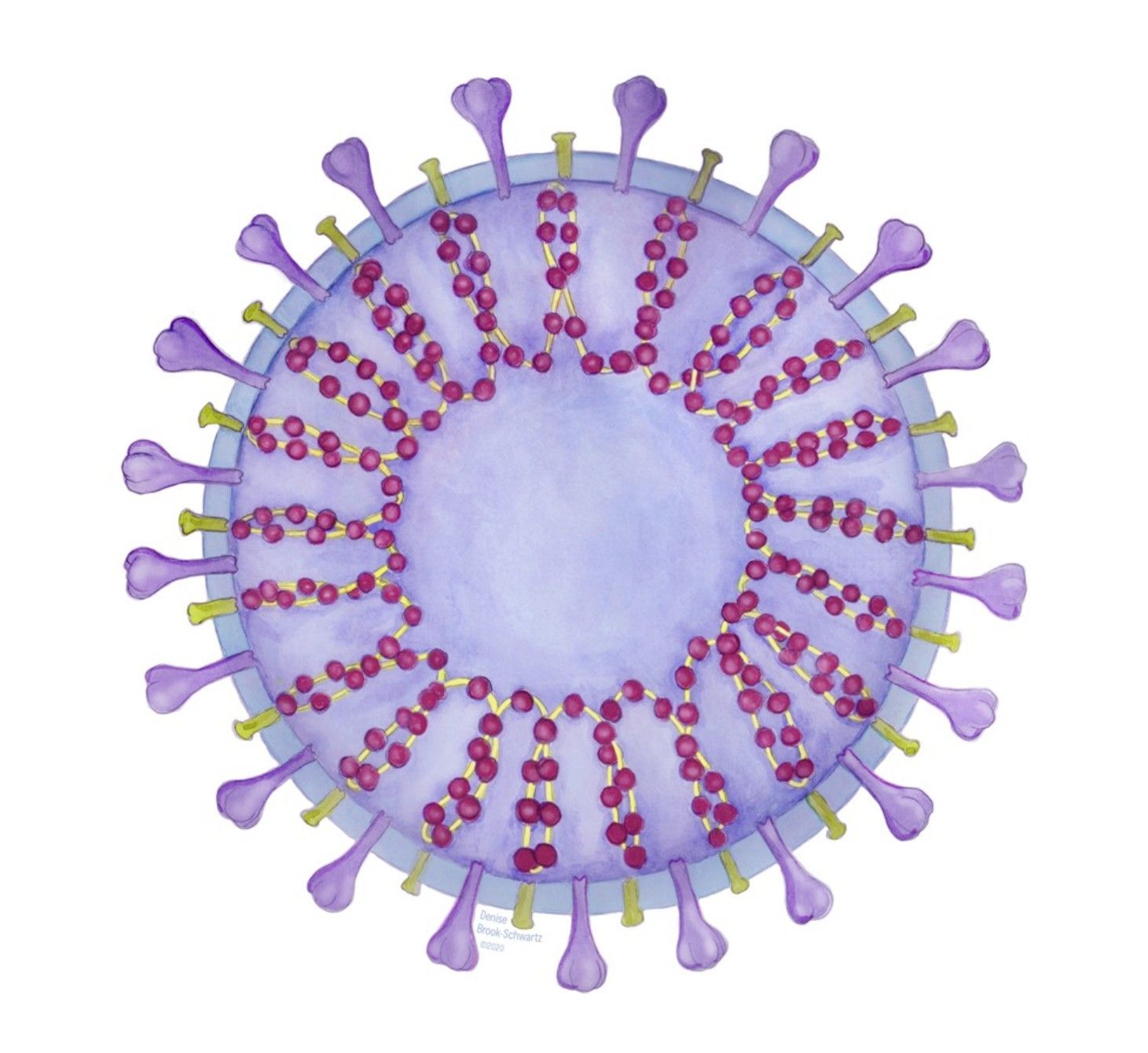
A Side-by-Side Look: Photography vs. Illustration:

Micrograph from F. A. Murphy, University of Texas Medical Branch, Galveston, Texas.
vs

image credit: Denise Brooke-Schwartz
The difference lies in control. A photograph shows what is, while an illustration reveals what’s essential.
Ready to see how Visual Science Communication can make your research shine?
image credit: Matt Patterson